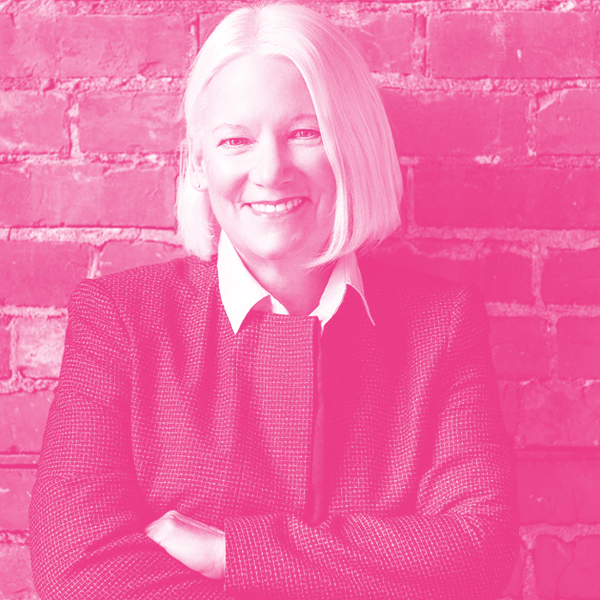
Alison Sunstrum
Roles: Associate, Fellow
Sites: CDL-Doha, CDL-Rockies
Stream: AgriFood
Alison Sunstrum is CEO of CNSRV-X and Managing Partner of NYA Ventures. She works at the intersection of commercialization, venture capital, industrial infrastructure and national economic strategy, helping build the capabilities required to transform Canadian innovation into globally competitive companies. Her work spans venture investing, corporate governance, industrial biomanufacturing and ecosystem development. She brings together entrepreneurs, investors, governments, research institutions and industry to move innovation from the laboratory into commercial production and global markets.
Alison is a serial entrepreneur, a Fellow and Founding Partner of Creative Destruction Lab’s AgriFood Stream, and a mentor across multiple CDL programs. She advises the National Research Council of Canada Industrial Research Assistance Program, Ivey Business School’s Institute for Sustainable Business, the Arrell Food Institute, and founders participating in the Weston Family Foundation’s Homegrown Innovation Challenge. She holds multiple patents and speaks frequently on commercialization, venture capital, food systems, industrial biotechnology, and Canada’s bioeconomy.