When Felix Baldauf-Lenschen entered Creative Destruction Lab in 2019, Altis Labs had no employees, no technology, and no data. What it did have was a question: could artificial intelligence make cancer clinical trials more efficient by helping researchers understand sooner whether a treatment is actually extending patients’ lives?
Today, Altis Labs is developing AI-based endpoints and outcome measures for clinical trials, with the goal of accelerating evidence generation in cancer drug development. The company graduated from CDL-Toronto in 2020 and has just announced a US$25 million Series A.
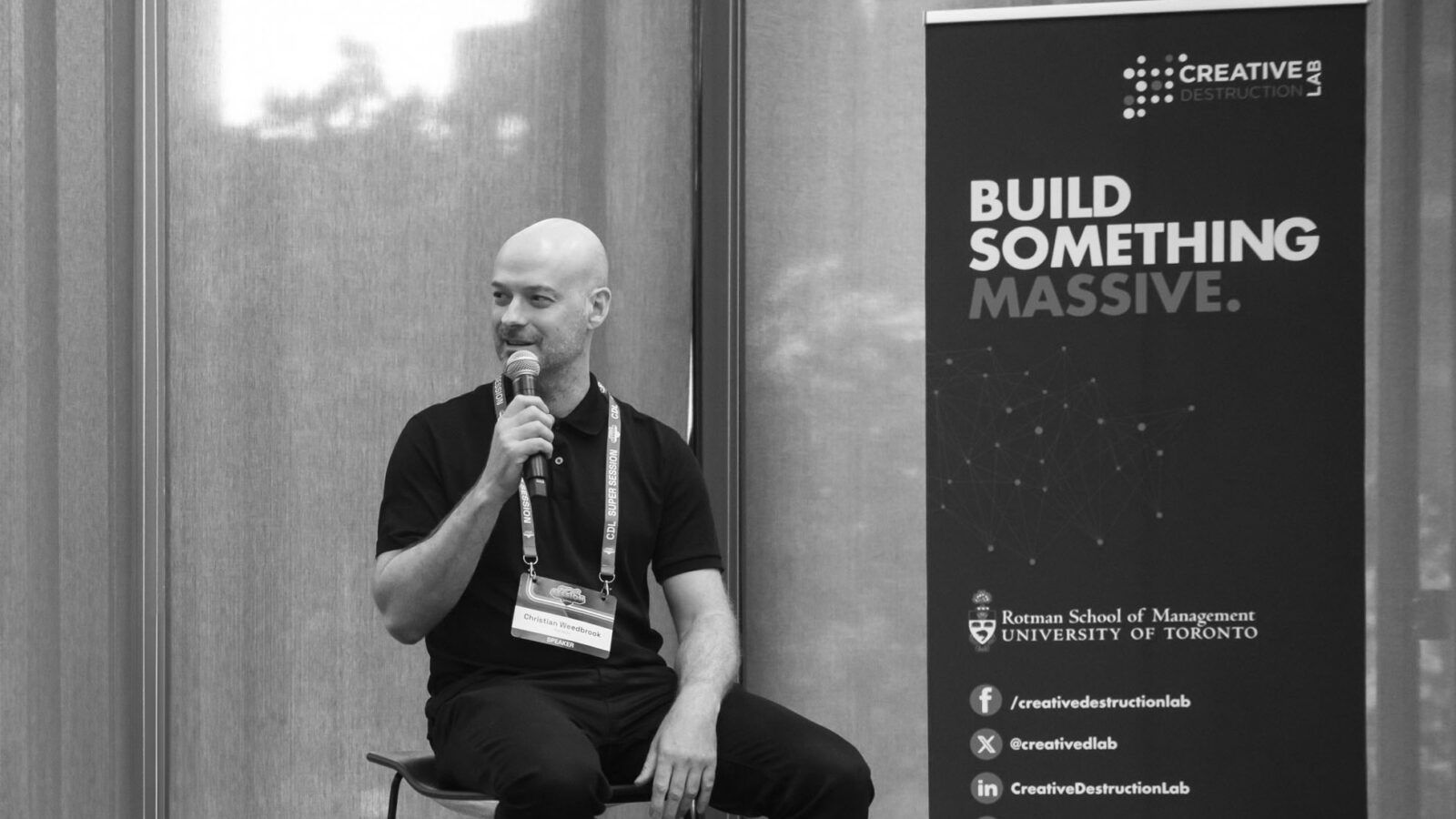
Its journey has also come full circle. After graduating, Altis continued to engage with the CDL network, and Felix has since returned to participate in CDL Cancer sessions, offering perspective to a new generation of founders working on oncology innovation.
Felix’s interest in the problem began while working at a San Francisco startup applying AI to radiology. He saw firsthand how much variability exists in the interpretation of medical images.
That raised a fundamental question: if clinicians can disagree when interpreting the same scan, how much can those measurements tell us about what ultimately matters to patients?
The question became particularly important in cancer clinical trials. The ultimate goal of cancer drug development is to help patients live longer. But demonstrating that benefit takes years. In Phase 3 trials, researchers need to wait until enough events have occurred to determine whether overall survival has significantly improved.
Researchers therefore rely on earlier measures, including changes in tumour size, to provide indications of how a treatment is performing.
Altis Labs is developing AI models designed to extract more information from clinical imaging and predict patient outcomes earlier in the drug development process. The potential of this approach was demonstrated through Altis’ work with Johnson & Johnson. In MARIPOSA, a Phase 3 lung cancer trial, Altis’ AI endpoint predicted the eventual trial outcome 11 months before the primary trial was completed and 26 months before the survival analysis was complete.
For Altis, the opportunity is to help researchers identify meaningful signals earlier in the drug development process.
Felix moved to Toronto in 2019, drawn to the combination of AI expertise and the concentration of clinical research institutions in the city.
Toronto offered proximity to institutions including Princess Margaret Cancer Centre, Toronto General Hospital and SickKids, as well as a deep community of machine learning researchers. Canada’s healthcare system also created opportunities to connect longitudinal health data, including imaging, treatment history and outcomes, in de-identified and ethics-approved research settings.
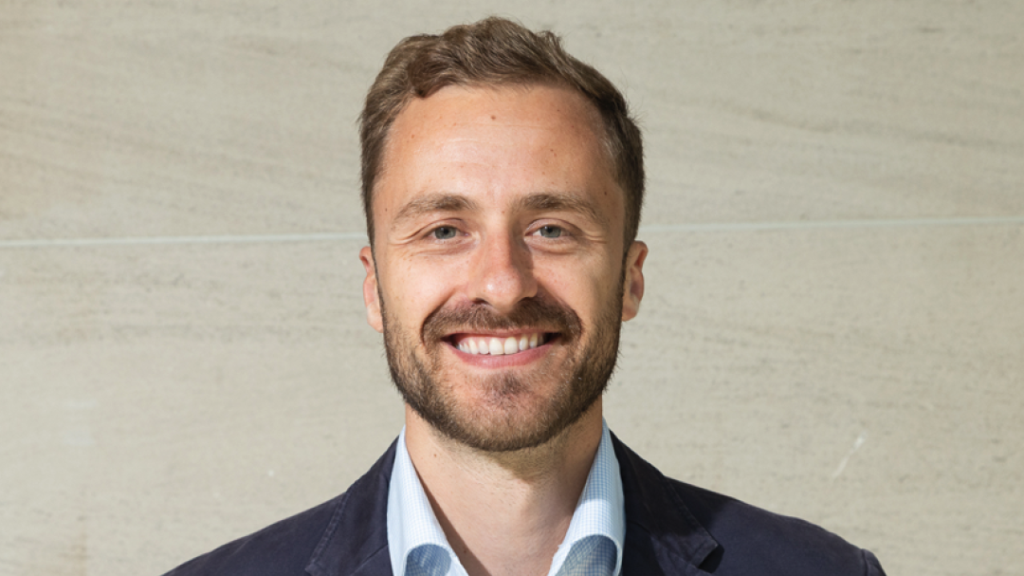
It was in this environment that Altis Labs joined CDL-Toronto in the fall of 2019.
At the time, the company was still at an exceptionally early stage.
“We hadn’t hired any employees, so it was just me, and no data,” Felix said.
CDL gave Altis an opportunity to test its thesis, challenge its assumptions and begin building relationships that would become critical to the company’s development.
CDL Mentors including Ron Bridges, Doug Foster, Ben Fine, and James Hardiman helped Altis explore the commercial opportunity and connect with potential partners. Those relationships ultimately contributed to research partnerships with institutions including University Health Network, Trillium Health Partners and the University of Calgary, as well as important investor introductions.
For Altis, the value of CDL was not simply in validating an idea. It was in establishing the network required to turn that idea into something that could be tested.
“Those were foundational relationships for us,” Felix said.
Altis graduated from CDL-Toronto in 2020. Since then, CDL has expanded its healthcare programming, including CDL Cancer, a specialized stream focused on oncology innovation.
For Felix, returning to CDL as a participant in CDL Cancer sessions has offered a different perspective.
“It’s been so much fun,” he said. “It’s really cool to see that energy amongst the founders.”
He has also seen how the specialization of CDL Cancer has expanded the expertise available to companies working in oncology.
For Felix, the patient perspective through the Patient Contribution Group is another important part of CDL Cancer.
“It adds a whole other dimension to the questions and discussion,” he said, “and reminds everyone why we’re doing what we’re doing.”
The recent US$25 million financing supports Altis as it continues developing its technology and expanding its work with pharmaceutical and research partners.
Healthcare tends to move slowly, with data partnerships and regulatory processes often taking years to establish. At the same time, AI technology continues to evolve rapidly. Altis is building infrastructure that allows its team to evaluate new models and architectures while balancing performance, computational costs and the requirements of a highly regulated industry.
The company has grown from a founder with a hypothesis and no data into a team applying AI to cancer drug development.
The relationships established when Altis was still an early-stage company helped create the foundation for its research and partnerships. Today, Felix is back on the other side of the table as a CDL mentor, sharing those experiences with founders at the beginning of their own journeys.